Evening journal
Write three lines: what drained me, what restored me, one intention for tomorrow. Takes under four minutes and reveals patterns within ten days.

Detailed guidance on techniques you can start today — with clear benefits and realistic time commitments.
Add to Your Plan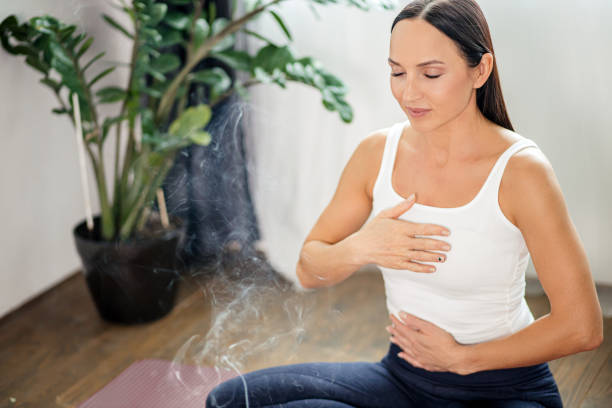
Coherent breathing — roughly five to six breaths per minute — encourages a steady rhythm between inhale and exhale. Many people use a four-count in, six-count out pattern while seated comfortably. Two five-minute sessions daily, before lunch and before bed, can reduce the sense of being “on alert” without requiring special equipment.
How to start: Sit with feet flat, shoulders relaxed. Inhale through the nose for four seconds, exhale for six. Repeat for five minutes. If light-headed, return to your normal breath rate.
Benefits: Improved sense of calm before meetings, easier sleep onset when practised at night, and a portable tool you can use on public transport.
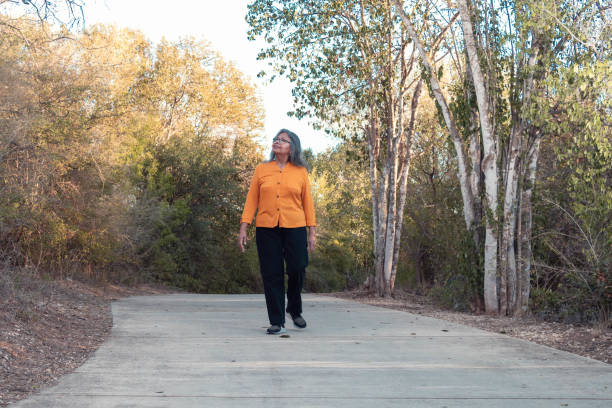
A twenty-minute walk in a park, canal path, or tree-lined street gives your directed attention a break while soft stimuli — birdsong, leaves, sky — hold gentle focus. UK cities offer more green corridors than many residents realise; map two routes near home and work so weather never becomes an excuse.
Leave headphones behind once a week to maximise the effect. Notice three details you have never seen before. This micro-mindfulness anchors you in the present and clears mental clutter from back-to-back screen time.
Benefits: Renewed focus for creative tasks, improved mood in overcast seasons when combined with daylight, and a simple habit that pairs well with phone-free commutes.
Write three lines: what drained me, what restored me, one intention for tomorrow. Takes under four minutes and reveals patterns within ten days.
Dim lights sixty minutes before bed, charge devices outside the bedroom, and read fiction on paper. Consistency matters more than duration at first.
Book a weekly call with someone who listens without fixing. Quality dialogue replenishes belonging better than large group chats.
Breath work should never feel forced. Reduce counts if dizzy. Outdoor walks need appropriate footwear and visibility in winter evenings. Journaling can surface intense emotions — pause and use support services if needed. See our Contact page for resources.
Pick the one that addresses your biggest drain. Poor sleep → sleep ritual; racing thoughts → breath work; screen fatigue → nature walks.
No. They support general wellbeing education only. If you are struggling to function daily, contact your GP, NHS 111, or Samaritans (116 123) in the UK.
Use a one-page weekly log with energy scores 1–10 and checkboxes for each practice. Review trends, not single days.