Breath & Body Regulation
Slow breathing and gentle mobility signal safety to the nervous system. Even five minutes between meetings can lower perceived tension and improve your next block of concentration.

Structured lifestyle guides to support focus, emotional bandwidth, and daily energy. Informational content only — no medical claims or guaranteed outcomes.
Mental resource recovery is the deliberate process of restoring the cognitive and emotional capacity you use every day — attention, patience, motivation, and the ability to switch between tasks without feeling drained. Unlike a single weekend off, recovery is a pattern: you identify what depletes you, what replenishes you, and how to weave both into a sustainable weekly rhythm.
Research in occupational psychology consistently links recovery experiences — psychological detachment, relaxation, mastery, and control — with better focus and lower exhaustion over time. A personal recovery plan translates that science into small, repeatable actions: when you disconnect from work, how you protect sleep, which activities give you a sense of progress, and how you review what is working each month.
On this site you will find practical frameworks rather than vague inspiration. Each suggestion is described in everyday terms: minutes spent outdoors, boundaries around notifications, or a fixed wind-down routine. We discuss general wellbeing habits only — not assessment, diagnosis, or treatment of health conditions. Outcomes differ from person to person.

When mental energy dips, most people react with more caffeine, longer hours, or scrolling late at night. A written plan interrupts that cycle by naming specific recovery slots before stress peaks. You decide in advance which evenings are screen-free, which mornings start with movement, and which friendships you prioritise for genuine conversation.
Plans also reduce decision fatigue. Instead of asking “What should I do to feel better?” every evening, you follow a short checklist you already trust. Over four to six weeks, many people notice sharper afternoon focus, fewer irritable moments, and an easier transition from work mode to rest. These shifts come from consistency, not from dramatic lifestyle overhauls.
Your plan should reflect your real constraints — commute length, caregiving duties, shift patterns. We encourage quarterly reviews: keep what restores you, adjust what feels forced, and document small wins so motivation stays grounded in evidence you collect yourself.
Slow breathing and gentle mobility signal safety to the nervous system. Even five minutes between meetings can lower perceived tension and improve your next block of concentration.
Time in green or blue spaces is associated with improved mood and attention restoration in multiple environmental psychology studies. A lunchtime walk counts.
Consistent bed and wake times protect the mental stamina you need for complex decisions. Dim light and a cool room are simple levers most people overlook.
Short written check-ins clarify what drained or fuelled you. Patterns emerge faster on paper than when thoughts stay circular in your head.
Quality connection — not audience size — replenishes belonging. Schedule conversations where you can speak honestly without performing.
Learning something enjoyable outside work rebuilds confidence. Language practice, music, or cooking all provide a sense of progress that transfers to other areas.
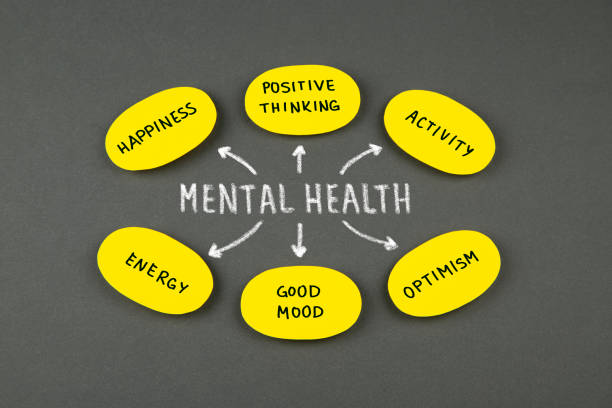
When recovery practices are intentional, you gain predictability. You know which habit addresses mental fog versus social overload. That clarity speeds up adjustments on difficult days.
None of these outcomes require extreme discipline. They emerge when you treat recovery as infrastructure — like meals or sleep — rather than a reward you earn only after burnout.
Shape Your Weekly RhythmActivities described here are general lifestyle and self-management ideas. They are not a substitute for care from your GP, a registered healthcare professional, or emergency services. Use the guidelines below to stay within safe, comfortable limits.
Emergency: 999 · Non-emergency health advice: NHS 111 (nhs.uk) · Emotional support: Samaritans 116 123 (samaritans.org).
Operator: Muscleenergyglow.world, Birmingham B12 0LD (Company No. 14162165). Free articles; paid workshops confirmed by email before booking. About us · Contact
Choose movement that matches your fitness level. Stop if you feel pain, dizziness, or shortness of breath beyond normal exertion. Warm up before stretching.
Adjust bedtimes gradually — about 15 minutes every few nights. If sleep problems continue for weeks, speak with your GP or another qualified professional.
Journaling may bring up strong memories. Pause if you feel overwhelmed. Support lines and local services listed on our Contact page can help.
Check weather, visibility, and footwear. Carry water in warm months and dress in layers during UK winter evenings.
Join guided sessions and community check-ins across the UK. All times are GMT/BST as applicable.
| Date | Event | Format | Location |
|---|---|---|---|
| 8 Jun 2026 | Morning Reset Walk | In person | Birmingham — Deritend area |
| 22 Jun 2026 | Planning Your 90-Day Recovery Map | Online workshop | Video link on registration |
| 6 Jul 2026 | Breath & Focus Lab | Hybrid | Birmingham + live stream |
| 20 Jul 2026 | Quarterly Review Circle | In person | Birmingham — Deritend area |
Workshops may be free or paid — final price and terms are confirmed by email before booking. To register, email feedback@muscleenergyglow.world with the event name in the subject line.
No. We provide general lifestyle and educational information only. For medical concerns, contact your GP or NHS 111. For crisis support in the UK, call 999 or Samaritans on 116 123.
No. We do not promise specific outcomes, timelines, or improvements. Content describes habits that some people find helpful; your experience may differ.
Some visitors report subtle shifts after several weeks of consistent habits — especially when sleep and movement improve together. Progress is individual; track weekly rather than daily.
No. A notebook, timer, and comfortable shoes cover most practices here. Technology can support reminders but is never required.
Start with two practices for seven days, then add a third if your schedule allows. Stacking too many habits at once often reduces adherence.
Yes. Anchor recovery to your wake cycle, not the clock on the wall. Our Wellbeing Rhythm page includes shift-friendly templates.
Resume with the smallest step — a ten-minute walk or one journal line. Missing days is normal; the plan is built for restart, not guilt.